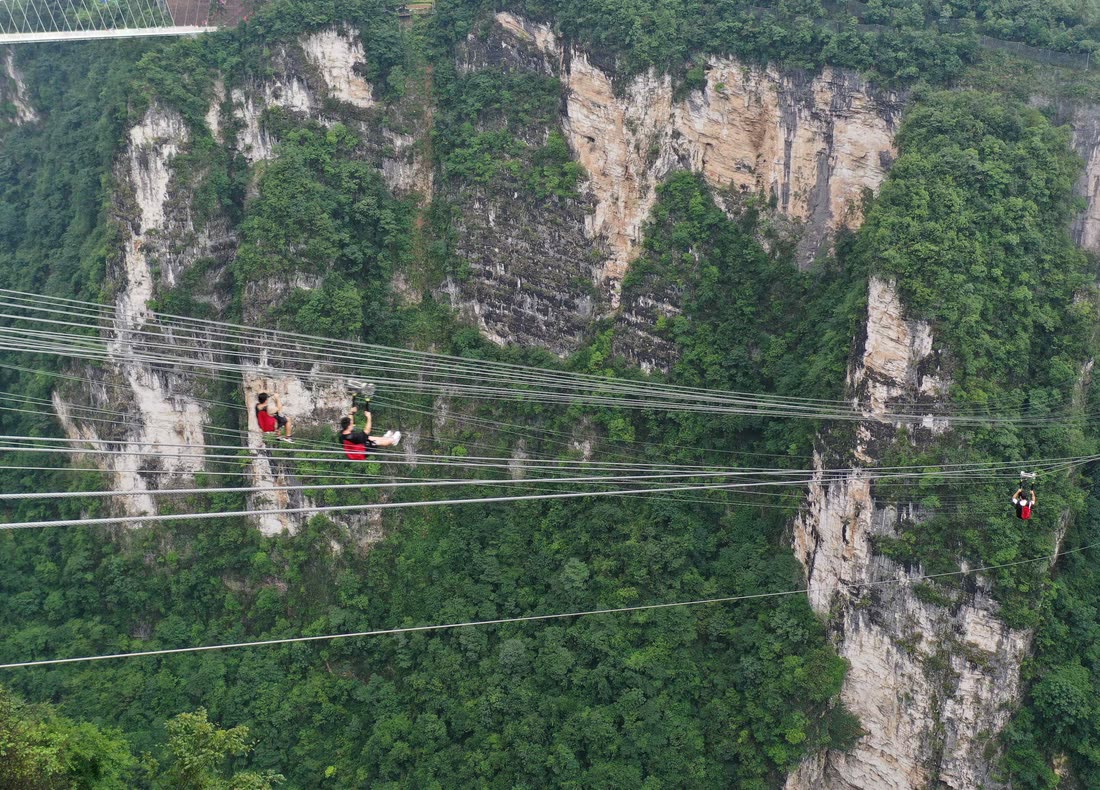
Twin zipline lines crossing a forested canyon
Zipline systems · manufacturer

Ziplines built for your terrain, not a catalogue.

Twin-cable straight-line ziplines with trolley, full-body harness, gravity brake and buffer stop — engineered around your span, your drop and your site survey. Manufactured in Zhengzhou, China, shipped worldwide.

58.9 km/hTypical top speed
2–4Cables per span
150–1500 mTypical span range
10Trolleys & harnesses standard
What we build

One product, shaped to the site.

A zipline is a steel cable, a trolley and a brake — until the terrain decides the geometry. We size the cable, the sag and the stopping distance from your survey, not from a stock drawing.

Straight-line zipline

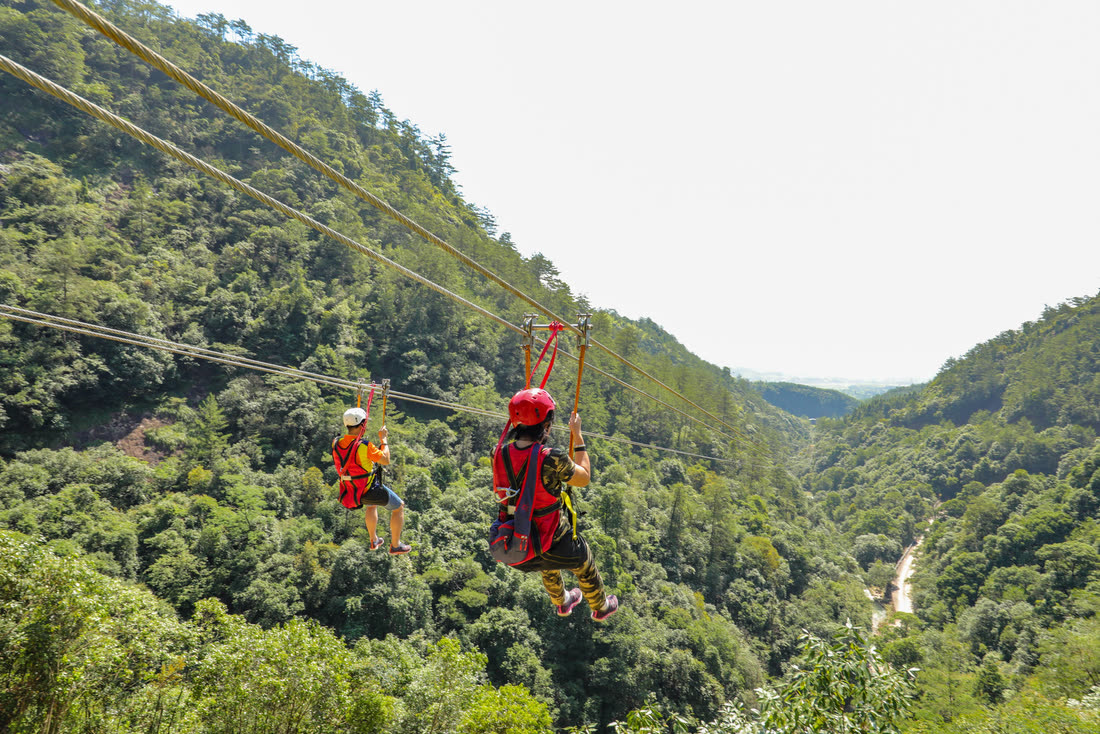
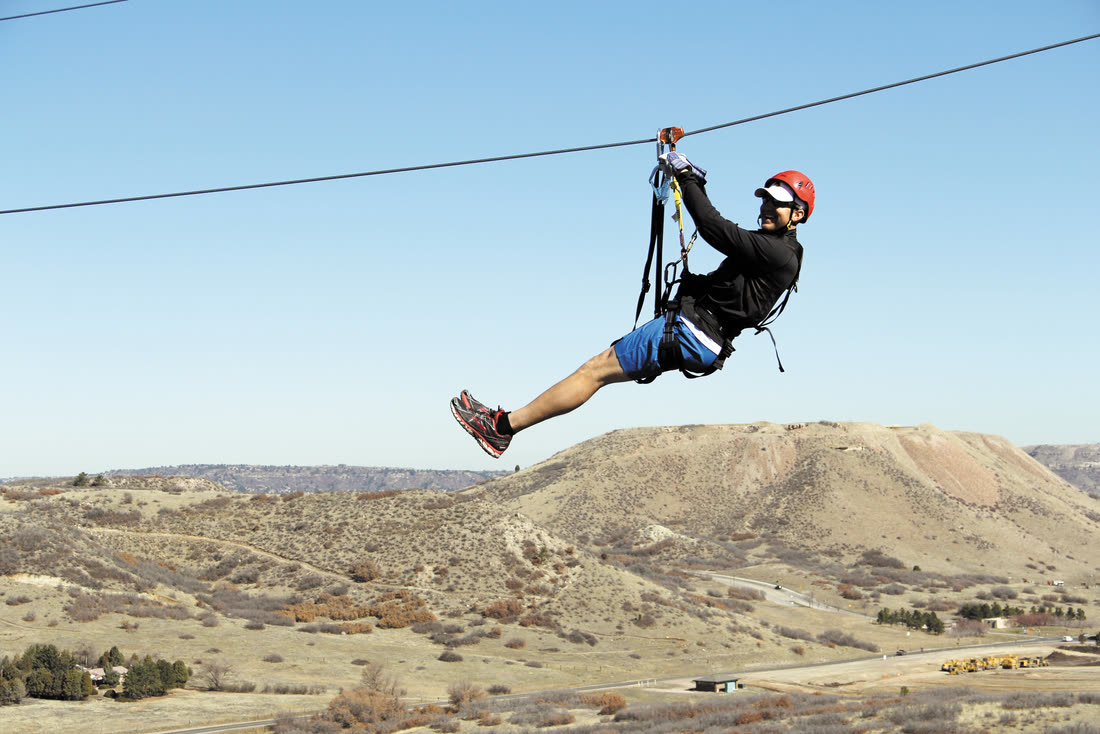
The standard product: two parallel twin-cable runs from the upper station to the lower station, ridden one person per trolley on a full-body harness. Suits valley crossings, forest canopy trails and resort slopes.
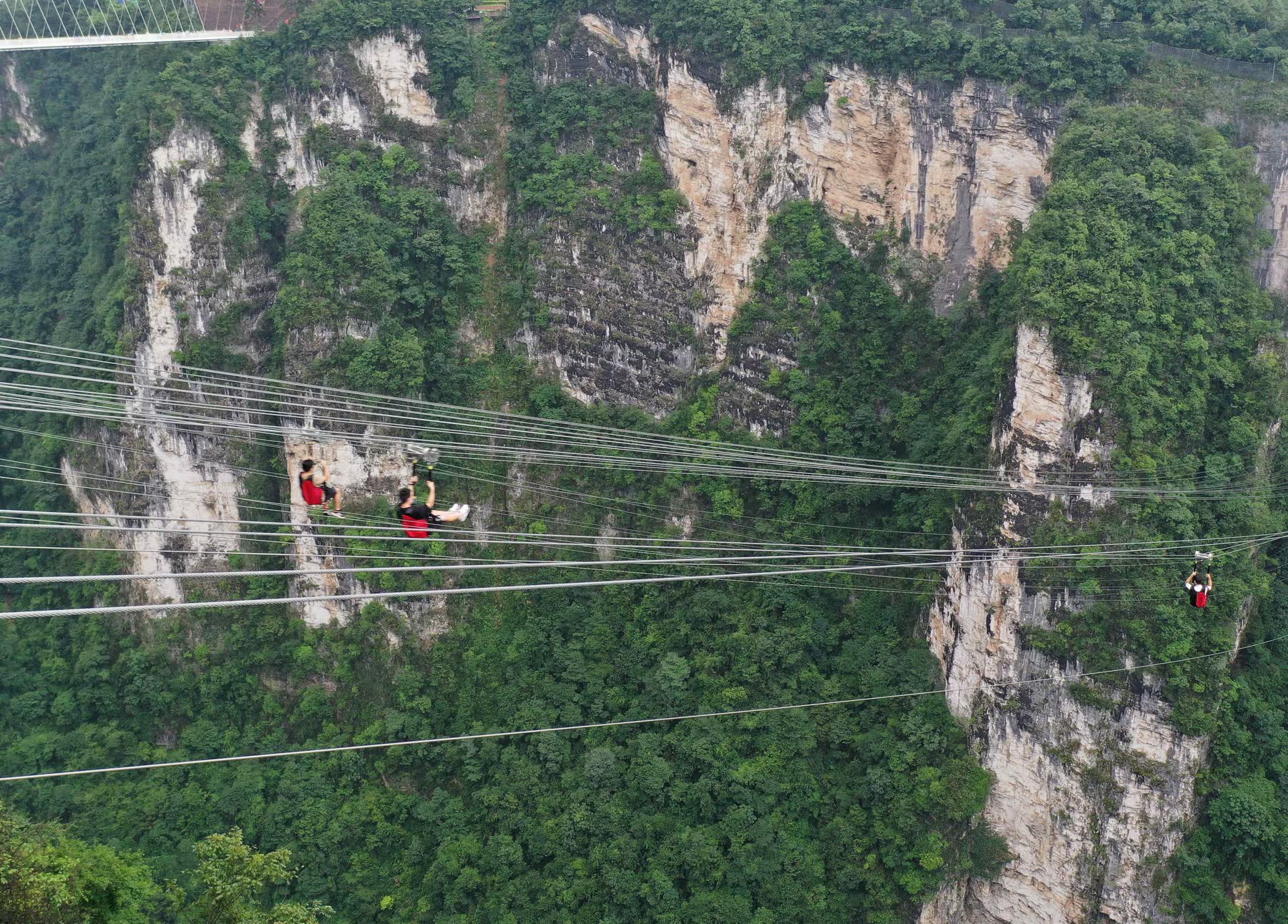
Multi-line parallel

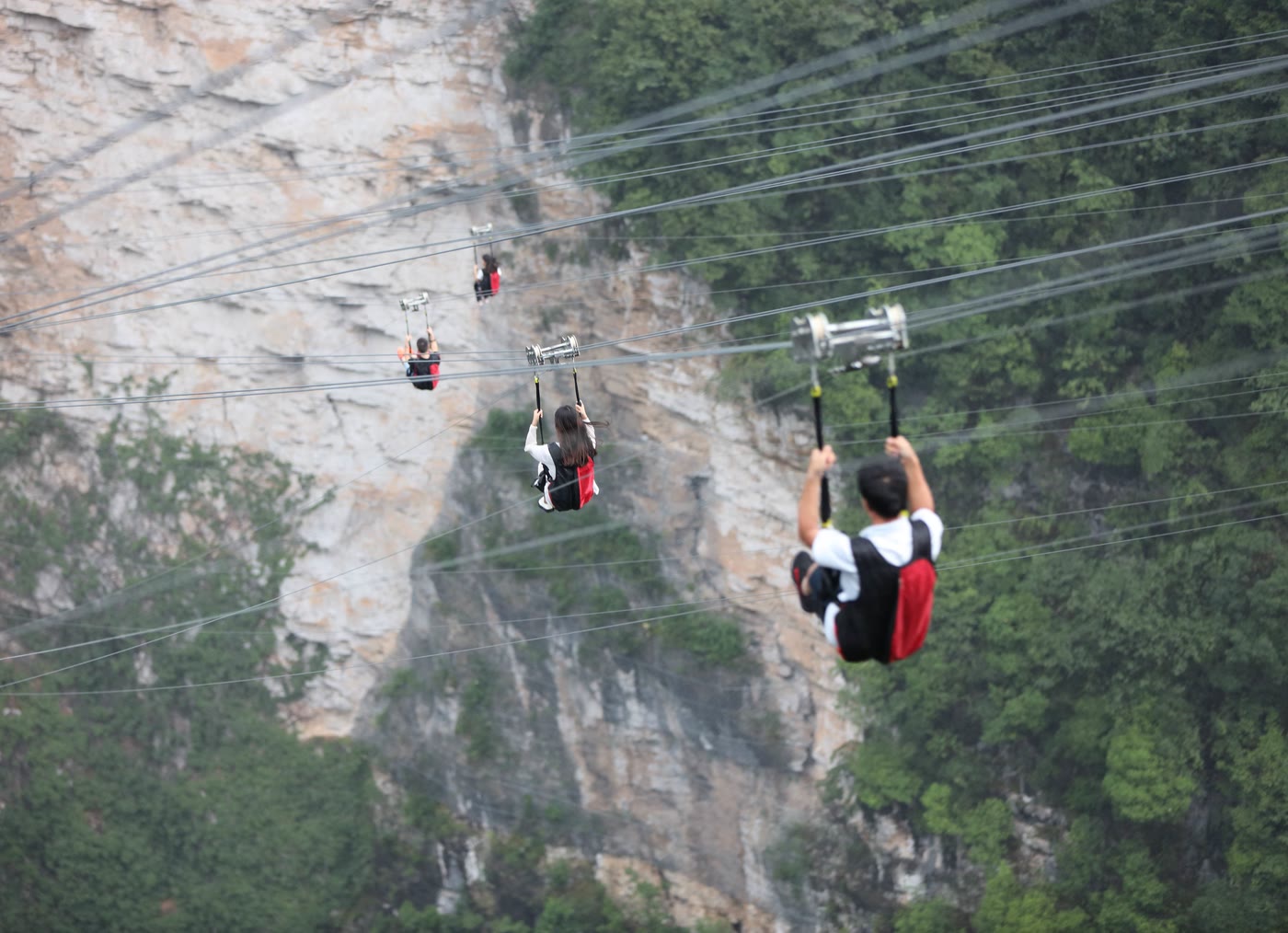
Four or more cables side by side so families and groups ride together, cutting queue time on high-traffic days. Each line is separately rated, separately braked and independently inspected.

Custom span engineering

Long crossings, low headroom, road or river clearance, unusual arrival angles — we calculate sag, tension and anchor loads from your elevation profile before any steel is cut.

Engineering first

The numbers come before the steel.

Send us the elevation profile and we work backwards from physics: cable diameter and pre-tension, where the sag bottoms out, minimum ground clearance, arrival speed and the braking distance that speed demands.
  • Load path calculated per rider, per cable, per anchor
  • Secondary safety cables on the upper and lower anchor points
  • Hot-dip galvanised structural tube as standard
  • Rubber brake plus buffer stop with anti-collision frame
  • Anemometer interlock so high wind stops the ride
Read the specifications
Multiple zipline cables running parallel across a canyon
The hardware

What actually ships in the crate.

Every system leaves with the full mechanical set — not a cable you then have to source brakes and harnesses for locally.

Trolley & cable

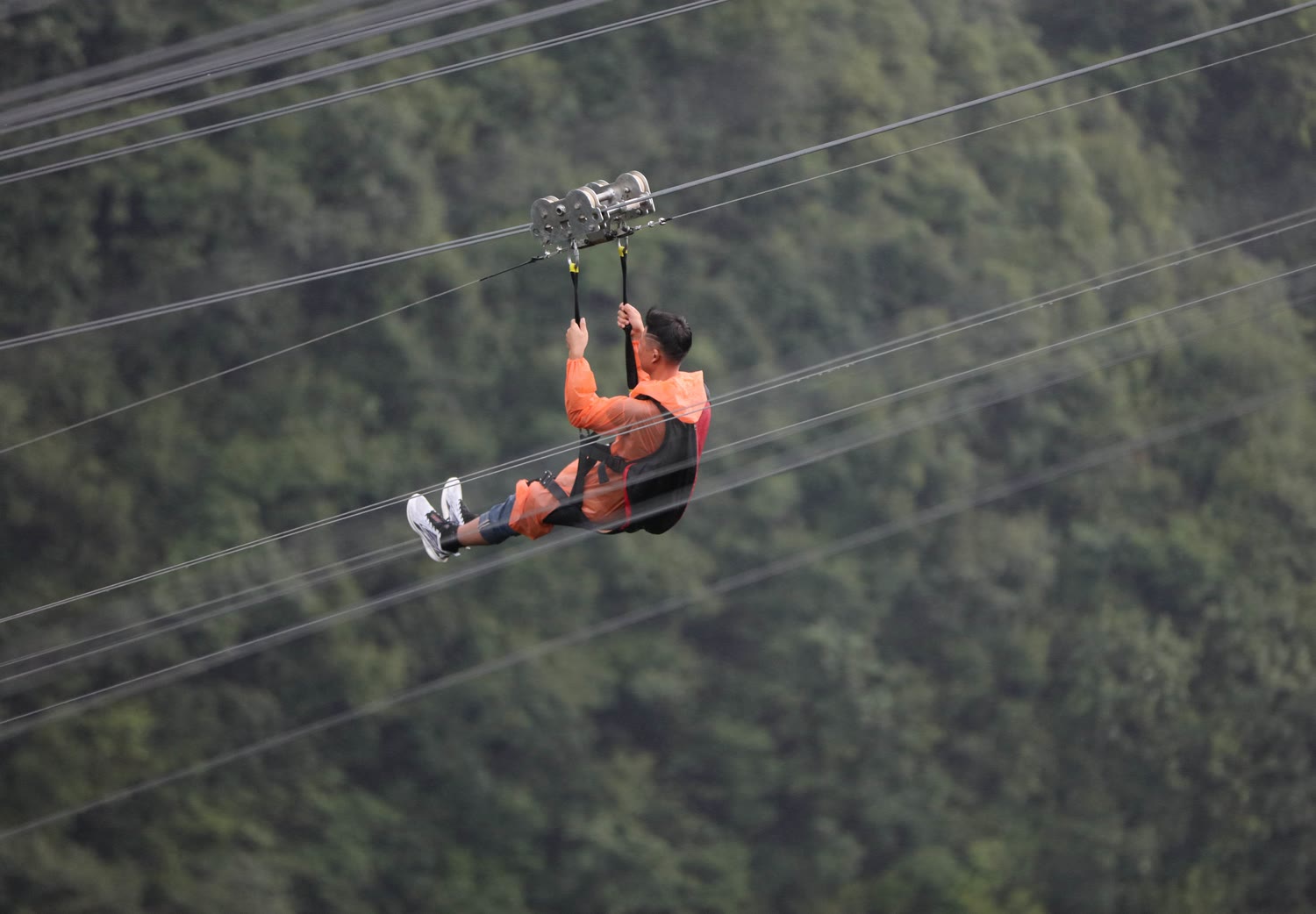
6×19W+IWR galvanised load cable with matched trolley assemblies, sized to the span and rider load.

Gravity brake

Rubber deceleration unit that brings the trolley to a controlled stop before the buffer at the lower station.

Full-body harness

Multi-point harness and seat sling per trolley, plus a rescue trolley so a stopped rider can be recovered.

Recovery winch

Manual or electric winch system that returns trolleys from the lower station and serves as the recovery drive.

Full bill of materials and available options are on the components page.

In service

Installed lines.

Ziplines we have supplied across canyon, forest and mountain sites. Riders are photographed at distance, so the focus stays on the line and the terrain.
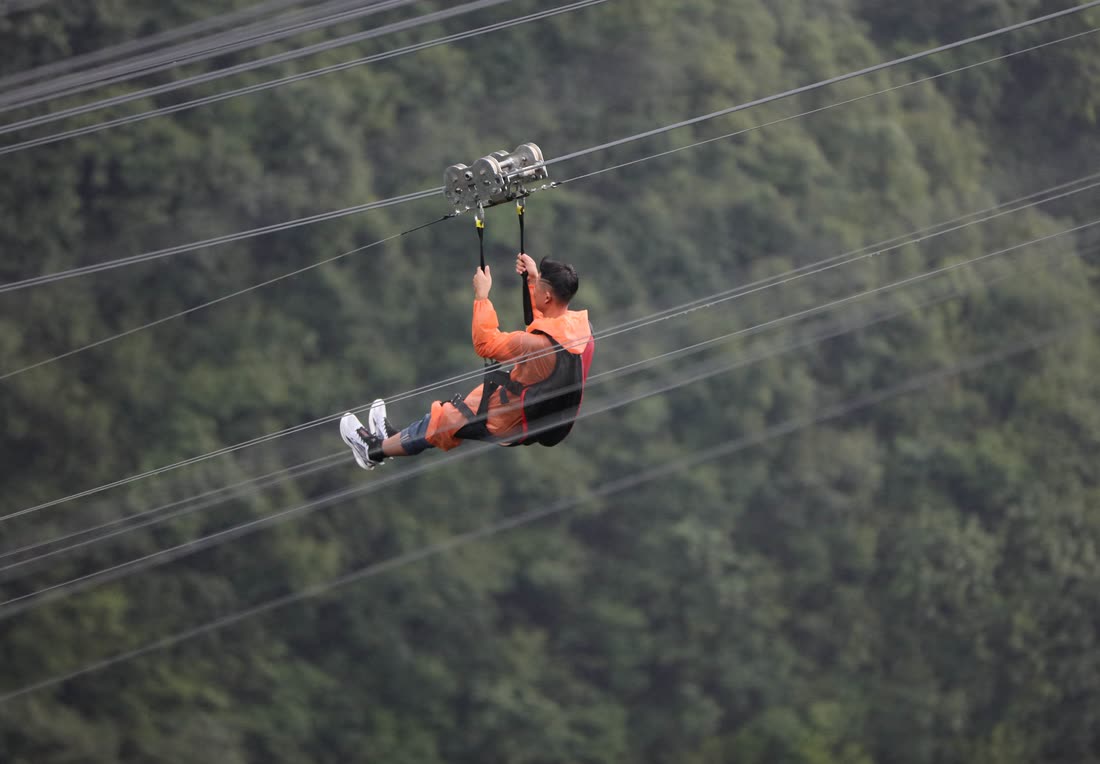
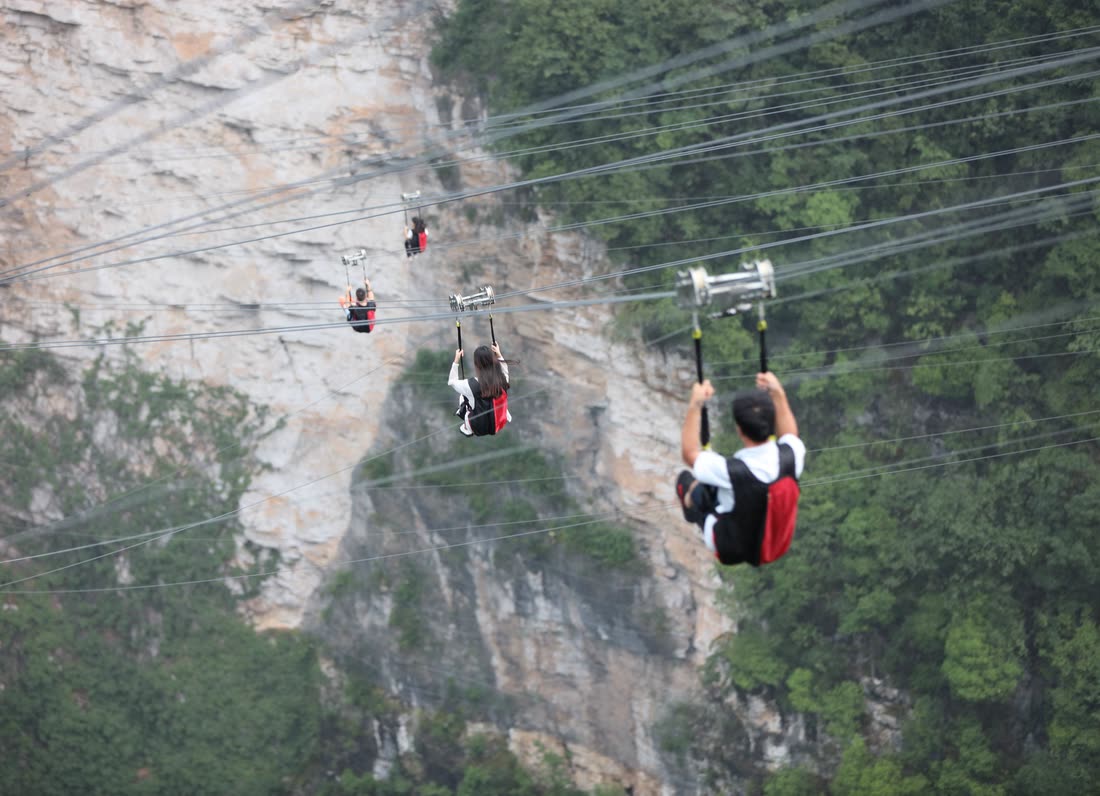
Zipline crossing a canyon with rock walls
Canyon crossing · multi-line
Parallel zipline cables above a forested gorge
Parallel runs · forest gorge
Long zipline span over a deep valley
Long span · valley
Two riders descending a zipline over a river valley
Twin ride · river valley
Zipline installed on a dry hillside site
Dry hillside · resort site
Wide view of a zipline station above a canyon
Upper station · cliff face

All projects

How it works

From survey to first ride.

Send your site

Span length, upper and lower station elevation, terrain type and how many riders per hour you expect.

We calculate

Cable size and tension, sag and clearance, arrival speed, braking distance and anchor loads.

Manufacture

Structure fabricated and galvanised, cable cut to length, hardware and harnesses packed as one shipment.

Install & train

Foundation drawings and an installation sequence, plus operator training on running and daily checks.

Questions buyers ask

Before you commit.

How much drop do I need between the two stations?
A straight-line zipline runs on gravity, so the upper station must sit higher than the lower one. The exact minimum depends on span length, rider weight and the arrival speed you want — a short steep line and a long shallow line need very different profiles. Send us your elevation survey and we will calculate whether your site works.
What if my site does not have enough height difference?
Options include shortening the span, raising the upper station on a tower, or adding an intermediate support. In some terrains a different product suits better. We will tell you honestly if a zipline is the wrong answer for your site.
How long does production take?
Production time depends on span, configuration and current factory load, and the clock starts once the deposit clears and the drawings are confirmed. We confirm the schedule in writing on your order rather than quoting a fixed number upfront.
Do you supply certification for my country?
We design and build to Chinese special equipment safety regulations and can supply the manufacturing documentation, material certificates and inspection reports that go with the unit. Approval for operation in your country is granted by your local authority, so we provide the technical file and you handle local acceptance — we will not promise that a unit will pass a jurisdiction we have not built for.
Can you install it on site?
We supply foundation drawings, a written installation sequence and operator training, and we can send engineers to supervise installation. Travel, visas and site costs for an engineer visit are quoted separately and confirmed before anything is booked.
What maintenance does a zipline need?
Daily pre-opening checks of the trolley, harness and brake; monthly inspection of cable wear and anchor fittings; and a deeper annual inspection of the whole line. We provide a maintenance schedule and the consumable parts list with the unit.

Tell us your span and drop.

Give us the length between stations, the elevation difference and the terrain type. We come back with the cable configuration, the hardware list and a quotation for your site.